

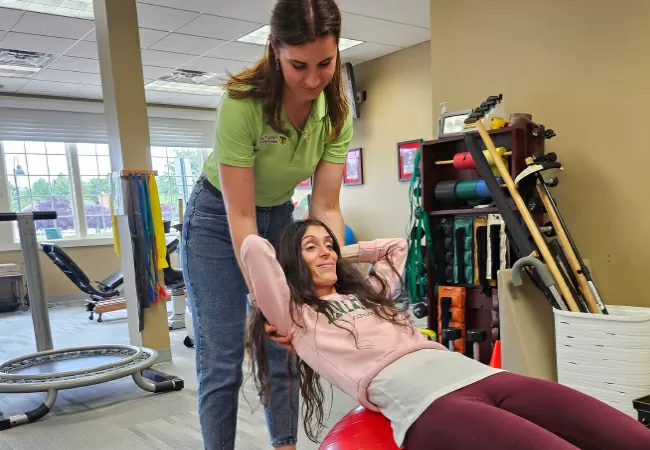
The Connection Between Hip and Knee Pain
Did you know that for a lot of people, their knee pain is not actually due to a problem with the knee, but one with the hip? At Total Care Physical Therapy, we frequently observe that a problem originating in the hip can be first felt as knee pain and vice versa.
You might wonder how this is possible. The answer lies in what’s known as the kinetic chain, where the hip and knee joints work together. The interconnection means that an imbalance or dysfunction in one joint can lead to compensation and pain in the other. The good news is our therapists can help you figure out the source of your pain and, more importantly, guide you back to health.
To move towards a healthier, pain-free life, we recommend you consult with one of our physical therapists as soon as possible!
Your Guide to Recognizing the Signs and Symptoms of Hip and Knee Pain
At Total Care Physical Therapy, we believe in a holistic approach to healing. As musculoskeletal experts, we are trained to pinpoint the root cause of your condition, differentiate between hip and knee pain, and develop a plan that addresses the whole person, not just the symptom.
The Telltale Signs of Hip Pain
- Localized Discomfort and Stiffness: Hip pain generally starts as a localized discomfort in the groin area, often accompanied by stiffness restricting the range of motion. As the severity worsens, this pain can sometimes extend to the thigh and even the knee.
- Morning Stiffness: One of the most commonly reported symptoms is morning stiffness, which typically eases as the day progresses.
- Difficulty in Performing Daily Activities: Individuals with hip pain often find it challenging to bend over to tie shoes or pick up objects from the floor. This pain can intensify during movements like getting up from a seated position or walking uphill.
Classic Indicators of Knee Pain
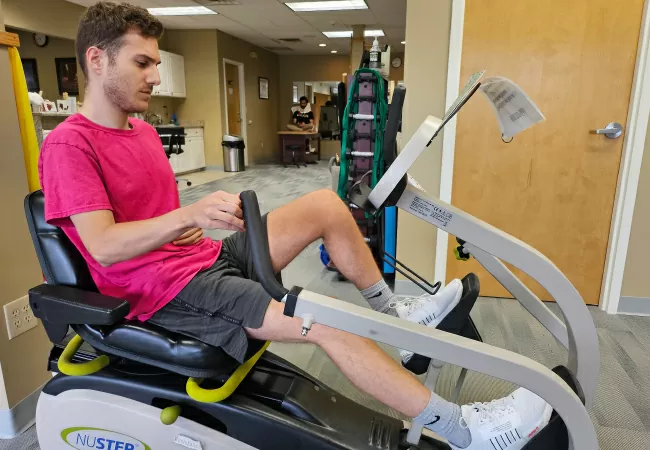
- Localized Pain and Swelling: A primary indicator of knee issues is localized pain, often accompanied by swelling. This can be especially noticeable after prolonged periods of activity.
- Stiffness and Reduced Range of Motion: Another hallmark of knee pain is stiffness, which often restricts the knee’s range of motion.
- Popping or Crunching Noises: Experiencing popping or crunching noises during knee movement is a sign that shouldn’t be ignored, as these sounds often signify underlying knee issues.
- Difficulty in Bearing Weight: A large number of individuals with knee pain report difficulty bearing weight on the affected knee. This is often described as a feeling of weakness or instability, making activities such as climbing stairs or even simple walking difficult.
While interconnected, the hip and knee are distinct structures with unique roles in our body’s movement and different responsibilities. Understanding these differences is vital in diagnosing and treating pain effectively. This is where the expertise of our physical therapists can help!
Navigating the Path to Recovery with Total Care Physical Therapy
At Total Care Physical Therapy, our physical therapists will conduct a comprehensive evaluation, and distinguish whether you’re dealing with an issue in your hip, knee, or both.
After completing the evaluation, we’ll design a program focusing on the actionable steps you can take to ensure long-term relief and prevention of future injuries, including the following:
- Tailored Therapeutic Exercises: Our therapists will provide you with stretching and strengthening exercises to help restore your mobility and function. For example, eccentric training focuses on elongating a muscle under tension, proving particularly effective in strengthening muscles and improving mobility.
- Neuromuscular Re-education: This involves using exercises and manual techniques to restore normal muscle function and movement patterns. These techniques are especially effective in reducing pain and enhancing function, especially in individuals with hip and knee pain.
Our therapists go beyond the surface, digging deep into your symptoms to identify the underlying issues and determine the true origin of your pain, whether the hip, the knee, or both. Our goal is to build a program that helps you get back to living your best life!
Sources:
https://pubmed.ncbi.nlm.nih.gov/32643252
https://pubmed.ncbi.nlm.nih.gov/31621559
https://pubmed.ncbi.nlm.nih.gov/30407271
https://journals.lww.com/jgpt/fulltext/2020/04000/hip_muscle_strengthening_for_knee_osteoarthritis_.6.aspx
https://www.jospt.org/doi/10.2519/jospt.2018.7877
Follow These Simple Steps to a Pain-Free Life
Are you ready to embrace a lifestyle that promises better mobility and less pain? At Total Care Physical Therapy, we are here to guide you every step of the way, fostering a future where you feel better, move better, and live better!
Call Total Care Physical Therapy today to learn more about how we can help!
Exercise of the Month
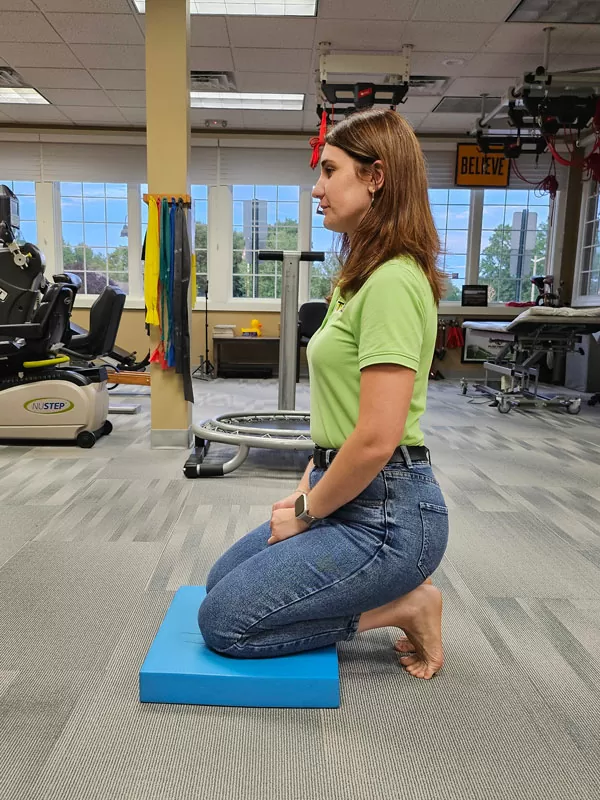
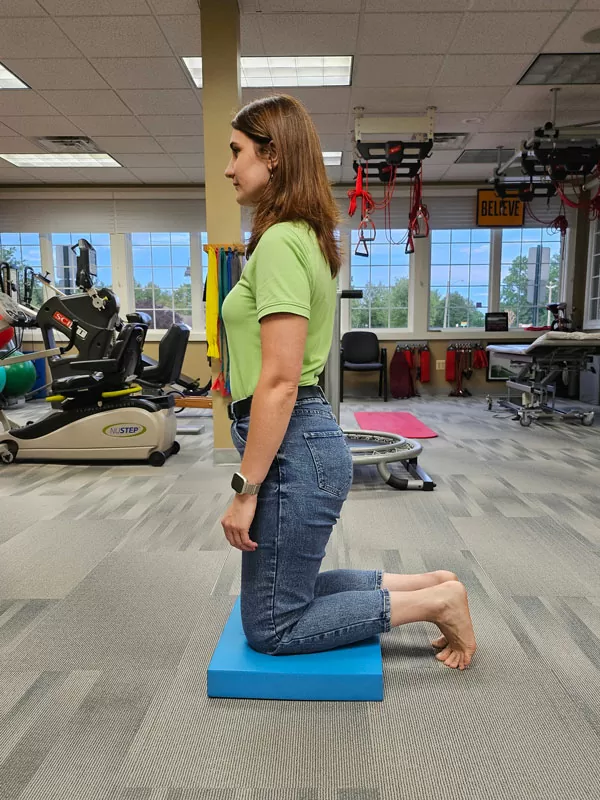
Knee Squat
Start by kneeling on a foam pad with your butt on your heels and your torso standing tall. Drive your hips forward to go into a tall kneeling position with your hips locked out; hold a few seconds then lower back to kneeling with control. 3 sets, 10 reps.

Feel Better by Eating Better!
Gluten-Free Breakfast Hash
Ingredients:
- 5 medium-large potatoes washed and peeled
- 1 large white onion chopped
- 2 tbsp extra virgin olive oil
- 2 green onions trimmed and finely chopped
- 4 eggs
- 1/4 cup shredded cheddar cheese
- salt and pepper to taste
- 1/4 tsp paprika
Directions:
Cut potatoes into 1/2 inch wedges. Heat olive oil in a large cast iron skillet or frying pan over medium heat. Cook potatoes for 25 minutes, covered, stirring every 4-5 minutes. Add chopped white onion. Cook for another 5-10 minutes, uncovered, and stirring constantly.
When potatoes are crispy and golden brown, add green onions, salt, and pepper. Stir through. With your spatula, make four wells in the potatoes and crack an egg into each one. Sprinkle shredded cheddar all around. Cook until the egg whites are set, or until your liking. Cover pan with lid for poached eggs. Add more olive oil on eggs if desired. Sprinkle eggs with a pinch of paprika seasoning. Serve immediately.
Can I Avoid a Total Hip or Knee Replacement?
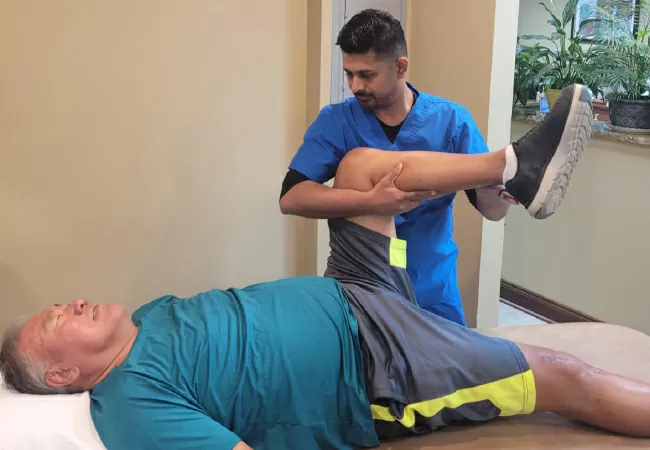
No one wants to undergo surgery. It’s often expensive, and it can bring with it a host of risks and complications. So, if you’re struggling with hip or knee osteoarthritis, you might be wondering — can I skip surgery altogether?
The short answer? It’s very possible!
Osteoarthritis has no cure. However, you can slow its progression by staying active and living a generally healthy lifestyle. In fact, surgeons won’t actually perform a total joint replacement until they’ve seen that non-invasive treatments — such as physical therapy — aren’t effectively managing the condition.
As with most degenerative conditions, the earlier you start, the better. If you already have an OA diagnosis, the Total Care Physical Therapy physical therapists can work with you to develop a customized management program that might include the following:
- An aerobic exercise plan based on your interests and abilities
- Targeted strengthening and stretching exercises to improve joint health
- Strategies for reducing pressure on your joints
- Strategies for improving your overall health and wellness
Even if you don’t have a diagnosis, following up on joint pain is essential, especially as you get older. Our physical therapists can let you know if that pain in your knee or hip is due to osteoarthritis or some other cause, such as an injury or muscular imbalance.
Want to learn more about successfully managing osteoarthritis without surgery? Call to speak to our friendly staff today!