
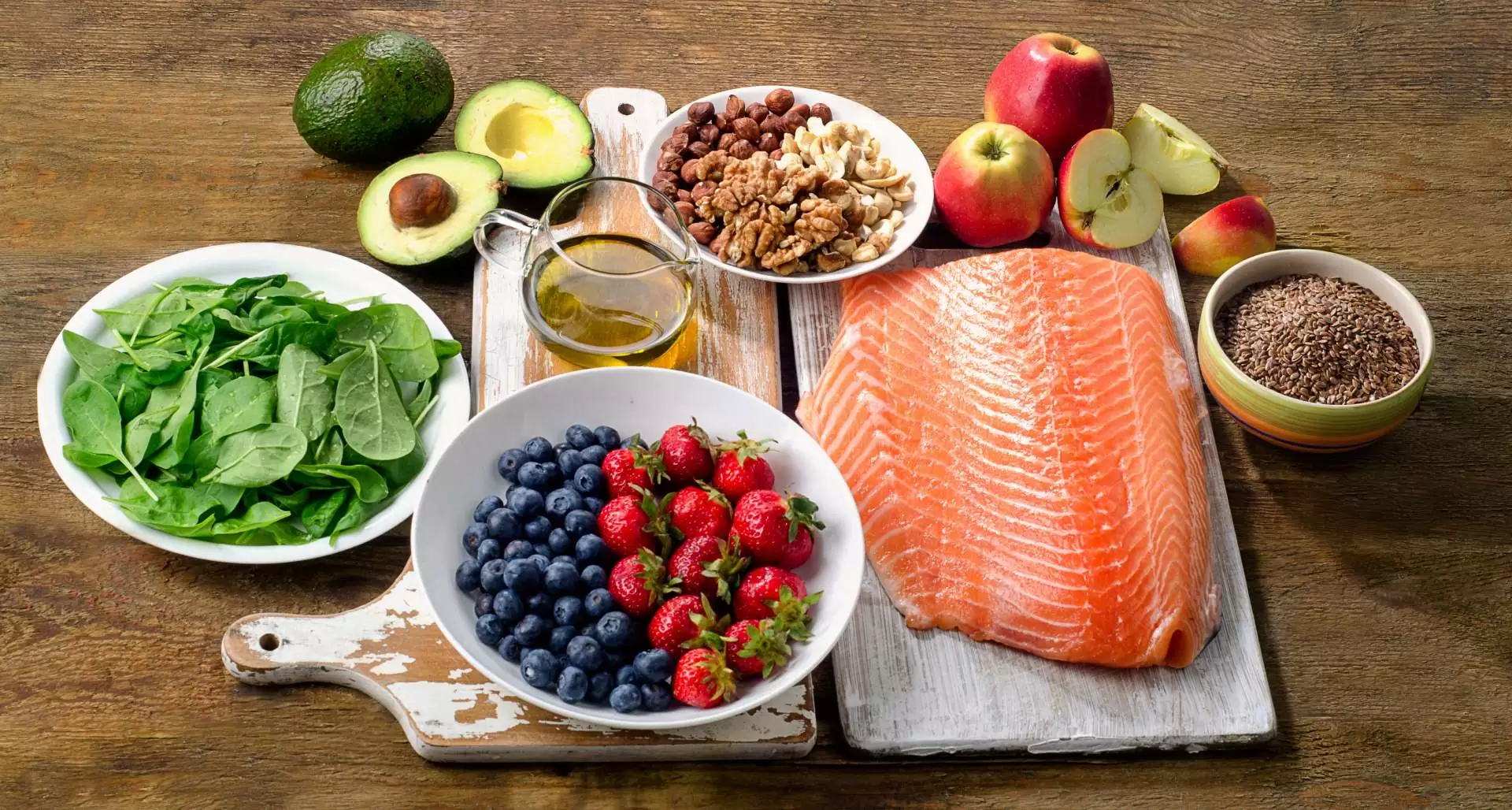
When an athlete suffers an injury, the road to recovery isn’t just about rest and rehabilitation—it’s about fueling the body for healing at every stage. Recovery isn’t passive; it’s an active process where nutrition becomes a powerful tool in rebuilding strength, reducing inflammation, and accelerating tissue repair. While physical therapy, strength training, and mobility exercises lay the foundation for recovery, proper nutrition plays a crucial role in maximizing healing, reducing inflammation, and supporting overall performance. Every meal is an opportunity to rebuild muscle, fortify bones, and restore energy levels, ensuring that the body has the resources it needs to heal efficiently. Whether it’s a sprained ankle, torn ligament, or stress fracture, strategic nutrition choices can transform the recovery process—helping athletes not only regain function but come back stronger, more resilient, and better prepared to prevent future injuries.
Why Nutrition Matters in Injury Recovery
Recovering from an injury is more than just waiting for the body to heal—it’s about giving it the right nutrients to repair damaged tissues, rebuild strength, and prevent setbacks. A well-balanced, recovery-focused diet can:
- Reduce inflammation to minimize swelling and pain
- Support muscle repair and regeneration to regain strength
- Promote bone healing after fractures and stress injuries
- Strengthen the immune system to prevent illness during downtime
- Maintain energy levels while physical activity is limited
Ignoring proper nutrition during recovery can prolong healing, increase fatigue, and even put athletes at risk for reinjury once they return to training.
The Healing Connection: Nutrition and Physical Therapy
Consider the case of Emily (not her real name), a competitive runner who suffered a stress fracture that sidelined her for months. While dedicated to her physical therapy program, she discovered that optimizing her nutrition could further enhance her recovery. By incorporating anti-inflammatory foods, increasing protein intake for muscle repair, and staying properly hydrated, Emily complemented her rehab efforts and returned to training feeling stronger than before. Her experience highlights how the combination of structured physical therapy and intentional nutrition can accelerate healing and reduce the risk of reinjury.
Key Nutrients for Recovery
Understanding what specific nutrients contribute to recovery helps athletes make smarter dietary choices during rehabilitation.
Protein – The Building Block of Recovery
After an injury, muscle loss can occur due to decreased activity. Protein preserves muscle mass and epairs damaged tissues, making it essential for recovery. Athletes should aim for lean sources such as:
- Chicken
- Fish
- Eggs
- Greek yogurt
- Plant-based proteins (lentils, quinoa, beans)
Omega-3 Fatty Acids – Fighting Inflammation
Inflammation is a natural part of healing, but chronic inflammation can slow recovery. Omega-3s help reduce excessive swelling and promote joint health. Key sources include:
- Salmon
- Walnuts
- Flaxseeds
- Chia seeds
Vitamin D & Calcium – Bone and Joint Strength
For stress fractures or bone injuries, these two nutrients work together to promote bone remodeling and healing:
- Vitamin D: Found in sunlight, fortified dairy, eggs, and fatty fish
- Calcium: Found in dairy products, leafy greens, almonds, and tofu
Antioxidants – Repairing Tissue Damage
Injuries create oxidative stress in the body, slowing the healing process. Antioxidants help fight this damage and support new cell growth. Nutrient-rich sources include:
- Vitamin C: Oranges, bell peppers, strawberries
- Vitamin A: Carrots, sweet potatoes, spinach
Collagen & Zinc – Enhancing Tissue Repair
Collagen supports connective tissue repair, while zinc strengthens the immune system and speeds up wound healing. To boost recovery, incorporate:
- Collagen: Bone broth, chicken skin, collagen supplements
- Zinc: Red meat, shellfish, seeds (pumpkin, hemp)
The Importance of Hydration in Healing
Many athletes focus on food but forget the role of hydration in recovery. Water plays a major role in:
- Circulating nutrients to injured areas
- Flushing out toxins that cause inflammation
- Keeping muscles and joints lubricated
Dehydration slows healing and increases stiffness. Electrolytes—found in coconut water, bananas, and leafy greens—help maintain fluid balance, especially after surgery or prolonged inactivity.
Adjusting Nutrition Based on Recovery Phase
Just like training regimens shift during rehabilitation, nutrition should adapt to different phases of healing:
Acute Injury Phase (0-2 weeks):
- Focus on anti-inflammatory foods like omega-3s and antioxidants
- Stay hydrated to flush out inflammatory byproducts
- Increase protein intake to kickstart tissue repair
Rehabilitation Phase (3+ weeks):
- Increase calcium and Vitamin D for bone and joint healing
- Continue high-protein intake for muscle recovery
- Support energy levels with complex carbohydrates
Return to Play Phase:
- Balance protein, carbs, and healthy fats to sustain energy
- Continue hydration and electrolyte replenishment
- Prevent re-injury by maintaining nutrient-rich meals
Common Nutritional Pitfalls During Recovery
While nutrition is a critical factor in healing, some common mistakes can slow down recovery and prolong the time spent off the field. Avoiding these pitfalls ensures that the body receives the proper fuel for optimal healing and performance.
Under-Eating or Skipping Meals
Many injured athletes cut calories due to decreased activity, but the body actually requires more energy and nutrients during the healing process. Skipping meals or not consuming enough protein, healthy fats, and essential vitamins can lead to muscle loss, fatigue, and slower tissue repair.
Over-Reliance on Supplements
While supplements can be helpful, they should complement—not replace—a nutrient-dense diet. Many athletes assume that protein powders, vitamins, and performance enhancers will speed up healing, but whole foods provide better nutrient absorption and long-term benefits. Prioritizing real, whole foods over synthetic options leads to a more sustainable recovery.
The Key to a Stronger Comeback
By focusing on nutrient-dense meals and avoiding these pitfalls, athletes can enhance their body’s natural ability to heal, regain strength efficiently, and set themselves up for long-term success.
Expert Insight: Listening to Your Body During Recovery
Proper nutrition is a game-changer in recovery, but many athletes overlook how much their diet impacts healing. Donna Gallagher, DCN, RDN, Owner/Nutrition Therapist practicing in Red Bank, NJ with extensive experience in clinical nutrition and metabolic health, has worked with athletes to help them optimize their nutrition for better recovery outcomes. She emphasizes that targeted nutrition strategies can support muscle repair, reduce inflammation, and improve long-term resilience after injury.
According to Donna Gallagher, “First and foremost, you need to listen to your body. You may be focused on getting the best nutrition by eating all the ‘right’ foods in the recommended amounts and hydrating well but ignoring your body’s cues. In that case, you won’t maximize your recovery. Your body is not a machine where a simple math equation can make it work better or stronger or recover quicker. Pay attention to your energy levels, muscle strength, brain function and focus, and discomfort. There is no ‘one size fits all’ approach to fitness or recovery. Your body will give you good information. It’s your job to listen to it.”
Final Thoughts: Nutrition as a Game Changer
Recovery isn’t just about resting and waiting, it’s about actively fueling the body for faster, more effective healing and long-term resilience. Nutrition plays a crucial role in reducing inflammation, rebuilding strength, and preventing re-injury, ensuring that athletes can safely return to peak performance. By making intentional dietary choices, athletes can take control of their recovery, accelerate progress, and optimize overall health.
At Total Care Physical Therapy, we take a holistic, athlete-centered approach to rehabilitation, integrating expert physical therapy with guidance on proper recovery strategies to support a full and lasting recovery. Whether you’re recovering from an injury or looking to enhance performance, our team is here to guide you every step of the way.
Ready to take your recovery to the next level? If you or someone you know is recovering from an injury, our expert team at Total Care PT is here to help. Contact us today to schedule an appointment and start your journey toward a stronger comeback!