
How Strength Training Can Improve Your Health
In the past, many people associated strength training with oiled-up, musclebound bodybuilders — and, as such, decided strength training wasn’t the workout for them. But that idea couldn’t be farther from the truth!
In a way, we get it. Strength training can be incredibly intimidating if you’re coming at it cold: you have to grapple with unfamiliar equipment, uncertainty about proper lifting techniques, and confusion about which exercises to perform. But once you find your footing, strength training is one of the best things you can do for your overall health and wellness.
At Total Care Physical Therapy, we want to help make strength training accessible to all, regardless of age, health history, or ability level. To help you see the many benefits of strength training, we thought we’d share the stories of two patients: Alisha and Jason.
Both of these patients are ordinary people in their late 50s. Neither were hardcore athletes, but both discovered the health benefits of strength training.
Alisha: A New Hobby in Middle Age
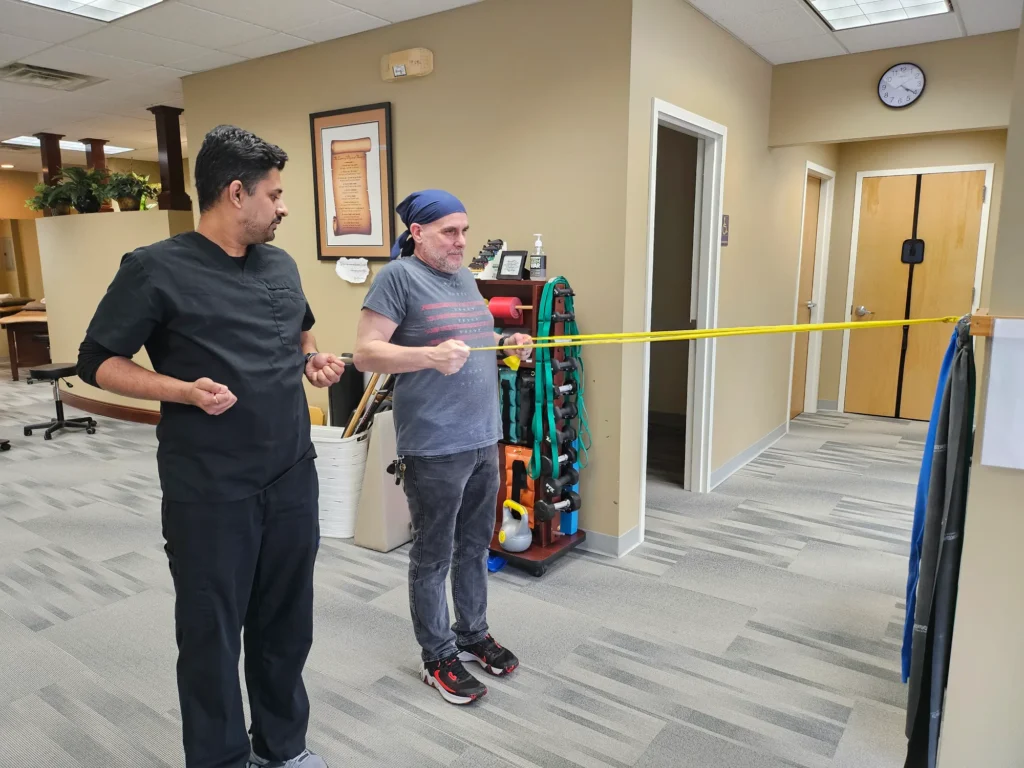
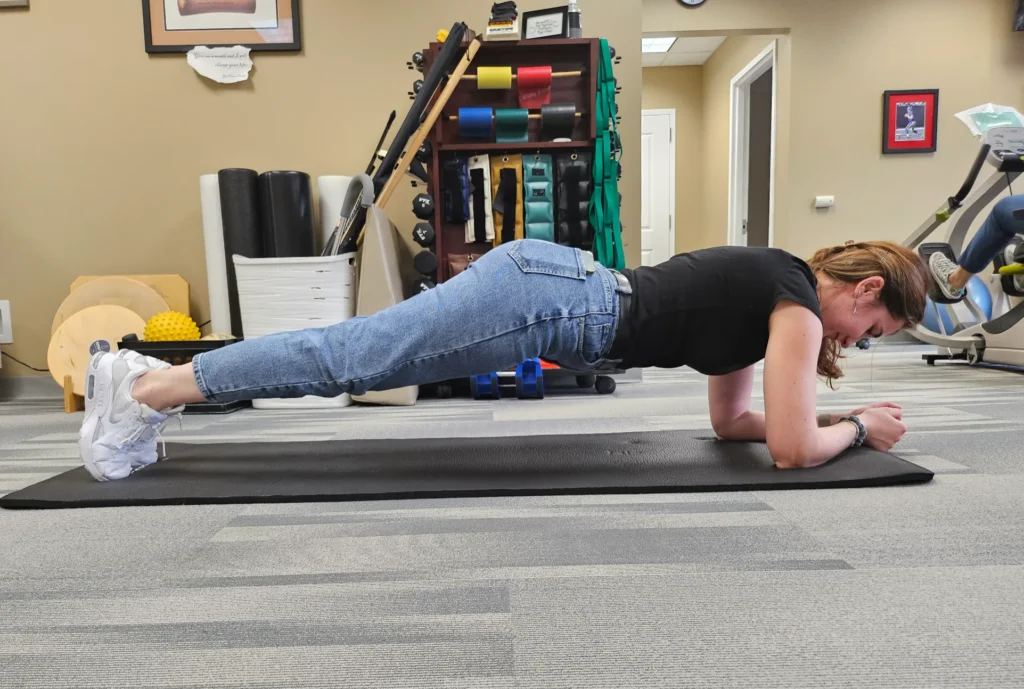
Alisha first came to see us after she injured her back while working in the garden. Like most older people, Alisha’s muscle mass had been steadily decreasing, and the resulting weakness had ultimately led to her injury.
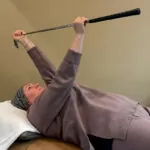
We provided her with a customized treatment plan, including dedicated strength training focused on Alisha’s core and back. She was surprised by how much she enjoyed the exercises, including how great she felt after completing them.
As her rehabilitation neared completion, Alisha asked her physical therapist for more information about strength training. She had heard it was an important piece of osteoporosis prevention, something that had been in the back of her mind since the condition ran in her family.
We were more than happy to help Alisha out. Her therapist helped her develop a general strength training program using barbells and dumbbells. He walked her through each exercise, assessed her lifting form, and guided her on gradually increasing intensity.
The result? Alisha found a new hobby. She became an avid weightlifter, hitting the gym three times a week. Even better, she restored some of her lost muscle mass, and her garden activities became easier over time.
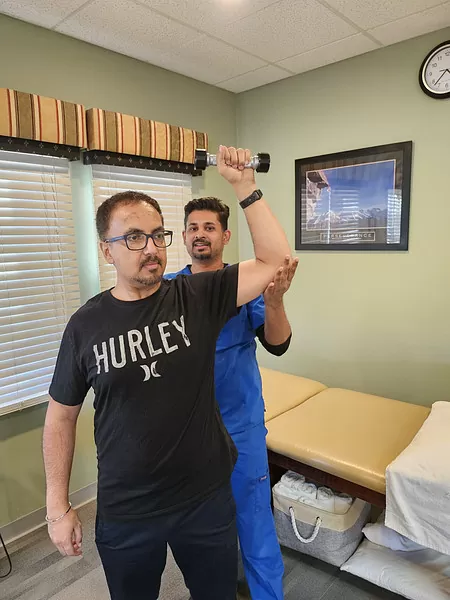
Jason: A Resistance to Resistance Training
Jason had developed osteoarthritis in his hips in his mid-50s. Although the pain wasn’t severe, he did find himself becoming less active than he’d prefer. Eventually, he contacted us for help managing and slowing his condition.
Regular exercise is one of the best ways to manage osteoarthritis pain, but Jason was nervous about doing anything too strenuous — including strength training. He was especially wary of anything involving heavy weights.
However, strength training is an important piece of osteoarthritis management. Strong muscles stabilize and support the impacted joints, helping to relieve pressure (and symptoms).
Jason’s physical therapist was sympathetic to his concerns, especially since low-impact exercises are generally better for people with osteoarthritis. To that end, she suggested Jason start with a daily walking regimen, which would help get him used to physical activity while still building some muscle strength and endurance.
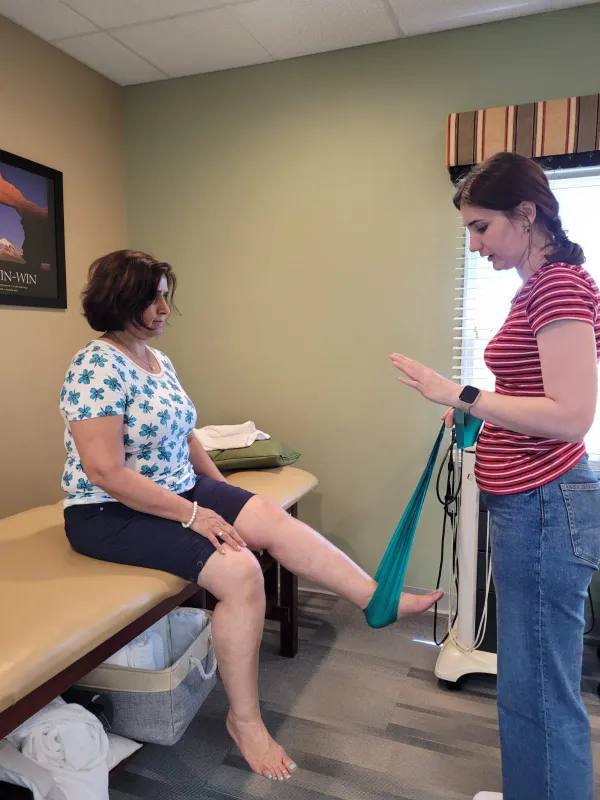
After a few weeks, Jason’s therapists started him on simple bodyweight exercises that wouldn’t put too much pressure on his hip joints. They weren’t as difficult or painful as Jason feared, and he eventually decided he wanted to add a little more resistance after all.
But he didn’t go all in with heavy barbells, as Alisha had. Instead, Jason used a blend of resistance bands and light dumbbells. His therapist provided the necessary guidance — and before Jason knew it, he was performing strength training routines twice a week.
The result? Less pain and stiffness from Jason’s arthritis meant more mobility and an easier time running errands, doing chores, and spending time with his loved ones.
Exercise of the Month
Squats
(Glutes, Quads, Hamstrings)
Stand with your feet shoulder-width apart and arms extended in front of you for balance. Slowly bend your knees and lower your hips as if sitting back into a chair, keeping your chest lifted and knees behind your toes. Push through your heels to return to standing. 3 Sets, 10 Reps.
How Will Strength Training Benefit You?
Good health means different things to different people. At Total Care Physical Therapy, we focus on improving your overall function so you can do the things in your life that matter most. Whether you want to kickstart an intense strength training program (like Alisha) or simply ensure you’re meeting the CDC’s recommendation of 2 days of muscle strength work a week (like Jason), we’ve got you covered.
Call us today to get started on your strength training journey!
Sources: https://www.cdc.gov/physicalactivity/basics/adults/index.htm, https://onlinelibrary.wiley.com/doi/abs/10.1002/ejp.1796, https://www.ncbi.nlm.nih.gov/pmc/articles/PMC9339797/
Shoveling Snow? How to Do it Safely
While some people have turned to snowblowers to clear their sidewalks and driveways, we’re still fans of the old-fashioned way–if for no other reason than it’s an excellent means of getting your heart pumping. You just need to follow a few simple tips to help prevent an injury:
- Dress appropriately. The cold weather puts you at a higher risk of suffering muscle strain, so bundle up and stay warm.
- Warm up first. Shoveling snow is a great workout, which means you need to warm up your body before you get started. Work through simple mobility exercises targeting your arms, shoulders, back, and legs.
- Use proper form. It’s easy to fall into awkward postures when shoveling snow, so make sure you’re using good form (like lifting with the spine in a good position and avoiding rounding the back or twisting repeatedly to one side). Need some pointers? Our PTs are happy to help!
Looking for more guidance about shoveling snow–or performing other outdoor winter chores? Call Total Care Physical Therapy to schedule an appointment!
Sarcopenia: A Quick Dive
There’s no denying that aging causes a host of physical and mental changes. One of the more significant of these is a decrease in muscle mass. For most people, it begins in their 30s and 40s, then jumps into high gear in their 60s.
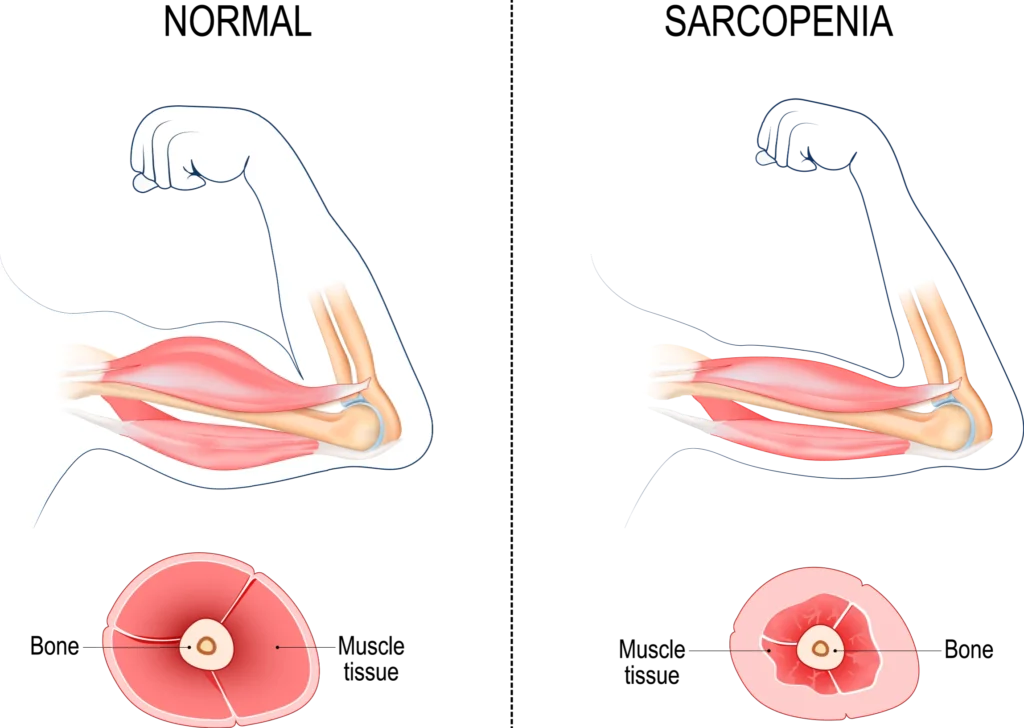
Age-related muscle mass loss happens to everyone to some extent. However, some people suffer loss of muscle mass, strength, and endurance to such a degree that it severely compromises their ability to be physically active. This condition is known as sarcopenia.
Symptoms, Causes, and Effects
Sarcopenia primarily stems from the effects of aging and, as such, primarily affects people 60 years or older. Certain risk factors can make it more likely that you develop sarcopenia, including the following:
- A sedentary lifestyle
- Chronic diseases, including diabetes and kidney disease
- Inadequate protein
- A decline in certain bodily functions related to building muscle
People with sarcopenia lose their muscle mass more quickly than those who don’t, which leads to muscular weakness and overall frailty. This, in turn, can negatively affect your quality of life. You may…
- Lose stamina more quickly
- Have difficulty with mobility, including walking or climbing stairs
- Have poor balance and be more likely to fall
- Find daily activities more difficult
How Total Care Physical Therapy Helps with Sarcopenia
The good news is that you can manage sarcopenia with a few simple lifestyle changes, namely regular physical activity and improved nutrition. These factors can also help prevent sarcopenia or delay its progression. However, remember that some muscle mass loss is just part of getting older.
What’s not an inevitable part of aging, however, is losing mobility and independence. Our physical therapists can help keep you active well into old age!
Sources: https://www.ncbi.nlm.nih.gov/books/NBK560813/, https://www.physio-pedia.com/Sarcopenia
Recipe: Protein-Packed Power Bowl
Support your strength training goals with this nutrient-dense power bowl that delivers the protein and complex carbohydrates your muscles need to recover and grow stronger.

Ingredients:
- 1 cup cooked quinoa or brown rice
- 4 oz grilled chicken breast or baked salmon
- 1 cup roasted sweet potato cubes
- 1 cup steamed broccoli
- ½ avocado, sliced
- 2 tablespoons pumpkin seeds
- 2 tablespoons tahini or olive oil
- 1 tablespoon lemon juice
- Salt, pepper, and garlic powder to taste
Instructions:
- Start with a base of quinoa or brown rice in your bowl.
- Arrange your protein choice (chicken or salmon) on top.
- Add roasted sweet potato cubes and steamed broccoli around the bowl.
- Top with avocado slices and pumpkin seeds.
- Whisk together tahini (or olive oil), lemon juice, and seasonings.
- Drizzle the dressing over your power bowl and enjoy!
This balanced meal provides approximately 35-40g of protein, complex carbohydrates for sustained energy, healthy fats for hormone production, and anti-inflammatory nutrients to support recovery. Perfect for post-workout nutrition!
Ready to Start Your Strength Training Journey?
Whether you’re recovering from an injury, managing a chronic condition, or simply want to build strength and improve your quality of life, our experienced physical therapists are here to guide you every step of the way. We’ll create a personalized strength training program that matches your current abilities and helps you achieve your goals safely and effectively.
Don’t let intimidation hold you back from discovering the life-changing benefits of strength training. Call us today to schedule your appointment!