

Determining The Origins of Your Pain
Are you tired of dealing with pain day in and day out? Have you been struggling with persistent pain for months or even years, and it’s taking a bigger and bigger toll on your life? For some people with pain, the simplest tasks are now major challenges, and over-the-counter and/or prescription pain meds don’t seem to provide any relief.
Unfortunately, this is a common experience for millions of Americans. Recent research has found that over 100 million people suffer from persistent pain each year. This is where Total Care Physical Therapy steps in.
At Total Care Physical Therapy, we understand that pain comes in various forms, affecting people in unique ways. We’re committed to staying at the forefront of the latest advancements in pain management, ensuring that our patients receive the best care possible.
We know that pain can be overwhelming, but we’re here to remind you that there is hope!
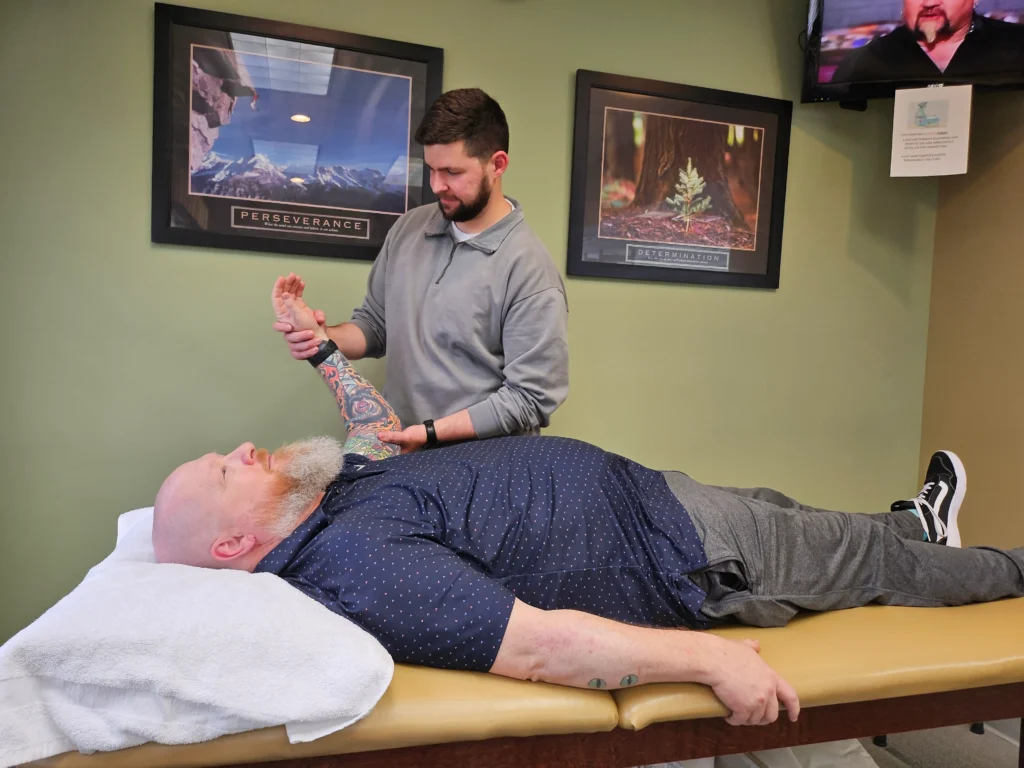
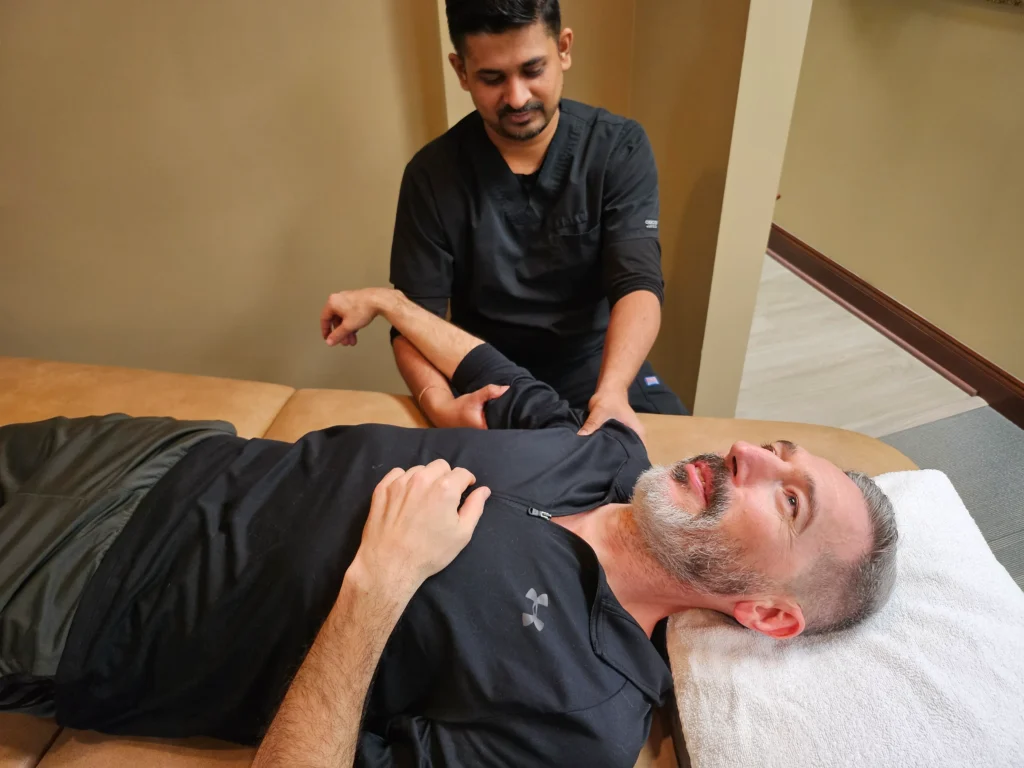
Understanding Different Types of Pain
Pain is a complex sensation, and it can be categorized into five main types, each with its own characteristics and underlying mechanisms. Here’s an explanation of these types:
- Nociceptive Pain: This type of pain results from the stimulation of specialized nerve sensors called nociceptors. Nociceptive pain is often described as sharp, aching, or throbbing and is typically localized. It can be acute, like when you accidentally bump your knee, or chronic, as seen in conditions like arthritis.
- Central Pain: Central pain arises from dysfunctions within the central nervous system (i.e., the brain and spinal cord). Central pain starts inside the central nervous system itself. Examples include fibromyalgia and pain associated with spinal cord injuries.
- Neuropathic Pain: This pain type is caused by nerve damage or dysfunction. It may manifest as burning, tingling, or shooting sensations. It is typically associated with conditions like diabetic neuropathy or nerve injuries (i.e., sciatica).
- Psychosocial Pain: Psychosocial pain involves mental and/or social factors influencing pain perception. Stress, anxiety, depression, and social support (or lack thereof) can significantly influence how pain is experienced. It is not directly tied to tissue damage but is due to mental and emotional states.
- Movement System Pain: This pain is directly related to the biomechanics of movement, such as issues with joint positions or control and/or muscle imbalances. Physical therapists often work with this type of pain, prescribing targeted exercises to correct movement dysfunctions contributing to the discomfort.
Regardless of the type of pain you’re dealing with, our therapists will work with you to identify and target the sources of your pain. We’ll use gentle techniques and exercises to address these issues and help you find relief.
Exercise of the Month
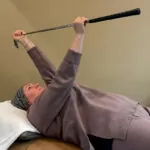
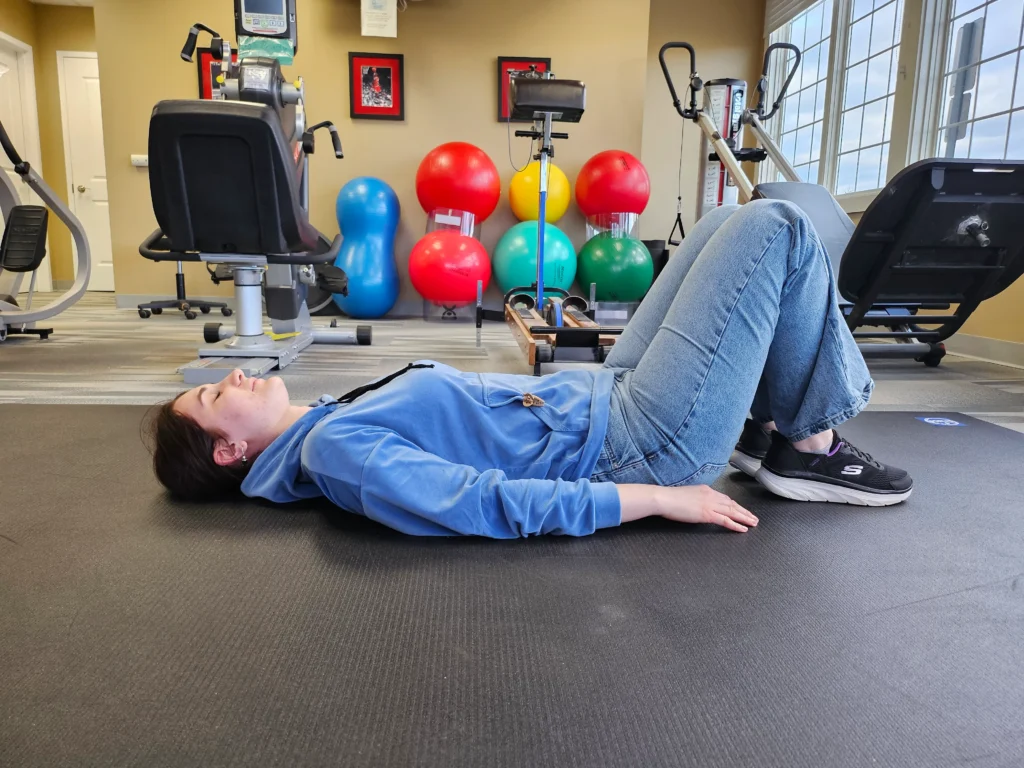
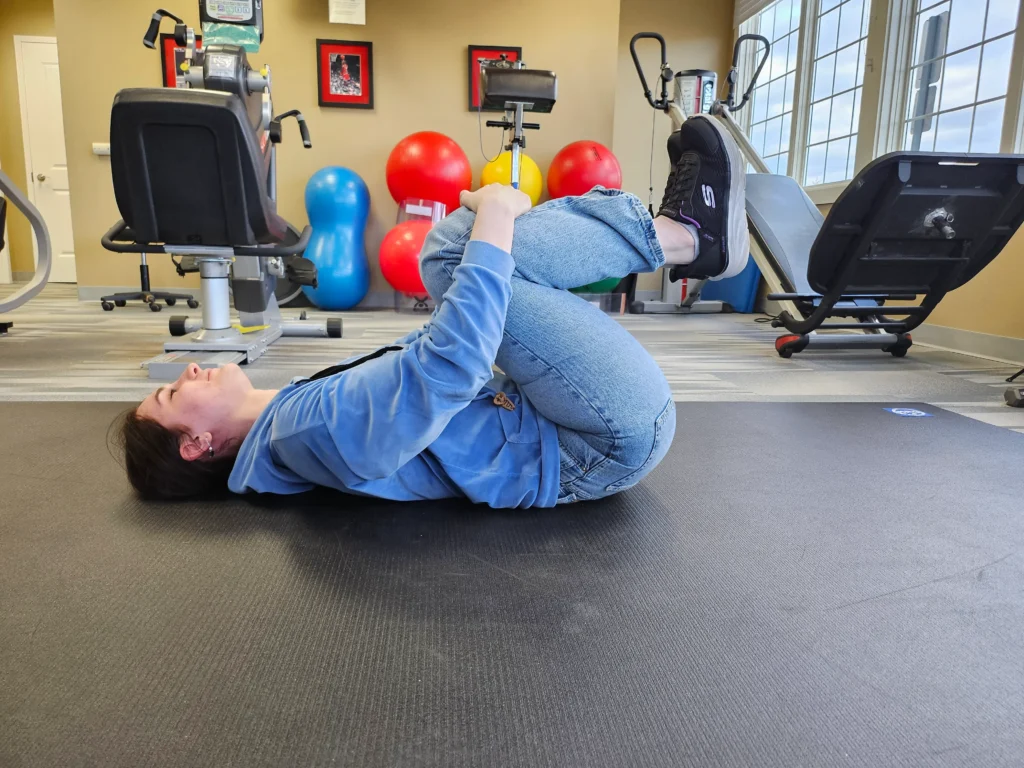
Double Knee to Chest
Start on your back with your knees bent. Slowly bring both knees to your chest. Grasp your knees. Hold for 30 seconds and repeat.
Always consult your physical therapist before starting exercises you are unsure of doing.
Finding Relief from Pain with Physical Therapy
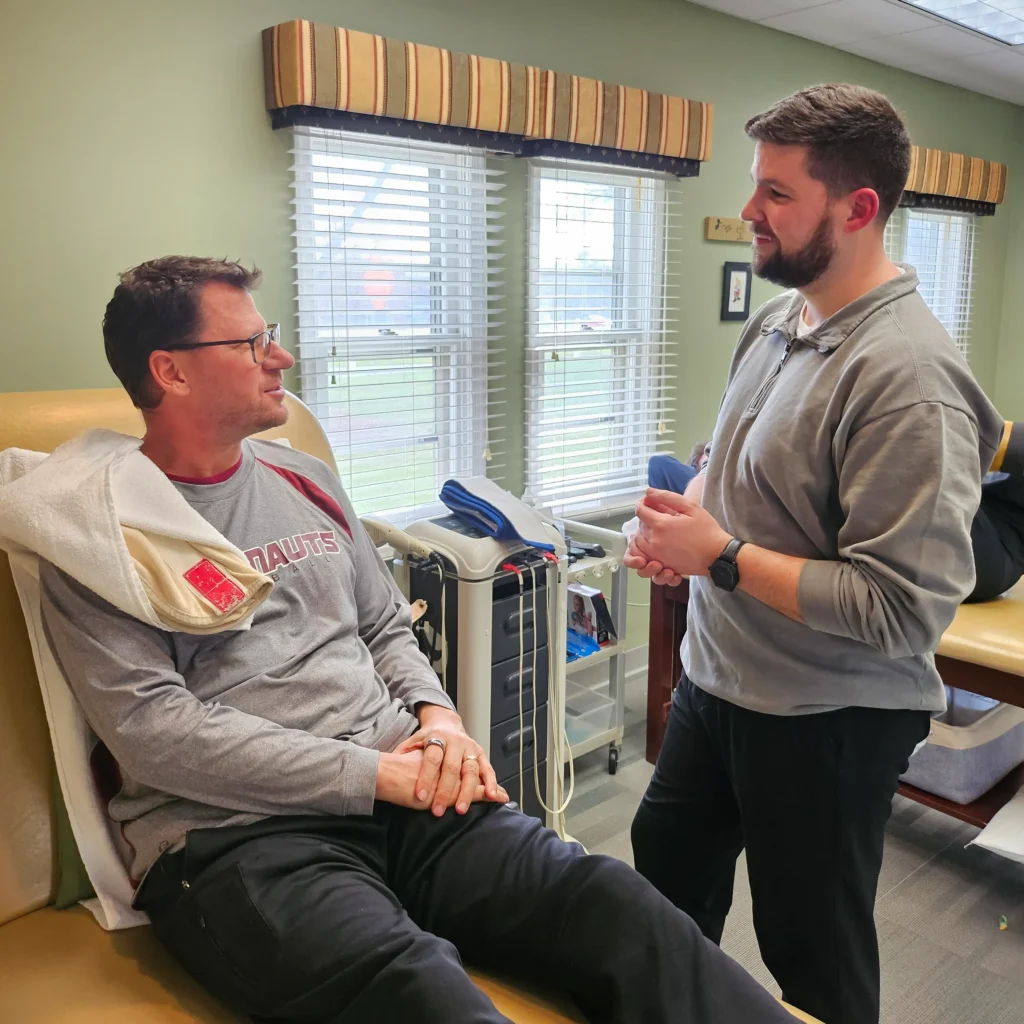
When you come to a physical therapy session at Total Care Physical Therapy, you’re taking a significant step towards finding relief from pain and improving your overall well-being. Your first session will typically begin with questions about your medical history, the specific nature of your pain, its location, and any factors that make it better or worse.
After discussing your medical history, your therapists will evaluate your posture, muscle strength, range of motion, and any areas of tenderness. They’ll also assess your movement patterns to identify any abnormalities or dysfunctions.
Based on the information gathered during the evaluation, your physical therapist will work to identify the underlying issue causing your pain. This may involve determining the type of pain (e.g., nociceptive, neuropathic, or movement system-related) and its primary sources.
Once your therapist has a clear understanding of your condition, they will create a personalized treatment plan tailored to your needs. Our treatments may include manual therapy techniques to release tension and improve joint mobility. Exercise is another crucial component, tailored to your specific needs and designed to correct any movement dysfunctions. Education plays a vital role in empowering you with the knowledge and tools to manage your pain effectively.
Patients are often fearful of making their condition worse. As a result, they often either do nothing or get so frustrated that they ignore clear warning signs and push through. In either case, the result is more suffering. The key is to find a balance in the middle, where you do just enough to improve but not enough to make it worse.
At Total Care Physical Therapy, our therapists will help you find that balance, guiding you through the steps you need to take to feel good again!
Sources: https://www.ncbi.nlm.nih.gov/pmc/articles/PMC6256939/, https://www.ncbi.nlm.nih.gov/pmc/articles/PMC6203285/, https://www.jospt.org/doi/10.2519/jospt.2016.0602, https://www.researchgate.net/publication/335681194_Pain_Theory, https://www.ncbi.nlm.nih.gov/books/NBK545194/

Go to the Pain, Not Through the Pain
Is pain affecting your life? Does it seem like everything you try doesn’t seem to help?
Too often, the frustration of dealing with daily pain leads people to ignore or try to push through their pain. It doesn’t help that the terrible slogan “no pain, no gain” has become a part of our culture in America. Learning how to navigate pain is essential to finding the relief so many people seek.
Whether you’re tired of sporadic aches and pain or struggling with chronic discomfort, physical therapy at Total Care Physical Therapy plays a vital role not just in treating pain but also in teaching patients how to manage their pain effectively.
Simple Tips to Find Relief
Our team will start by explaining the type of pain the patient is experiencing—be it nociceptive, central, neuropathic, psychosocial, or movement system pain. This helps you understand the root cause of your pain, allowing for targeted treatments addressing your unique situation.
Here’s an overview of common tools we use to empower our patients:
- Pain Management Strategies: Breathing exercises and relaxation techniques can sometimes be as effective as medication in reducing pain.
- Activity Modification: Sometimes, small changes can make a big difference. By changing how they perform their daily activities, patients can reduce the risk of pain flare-ups.
- Gradual Progression of Exercise: Starting slow and building up gradually can help patients realize that movement doesn’t have to be painful, reducing fear and improving function over time.
Our physical therapists will give you the tools and knowledge you need to take an active role in your pain management, making your treatment more effective and lasting. Remember the slogan, “go to the pain, not through the pain,” to guide your progress!

How To Have a Great Summer–PT Style!
The days are getting longer, the air is getting warmer, and school is winding down. That means one thing: summer is on its way! Here are some tips to ensure a healthy summer for you and your family:
- Drink plenty of water. While you should strive to stay hydrated all year round, it’s particularly important in warmer weather.
- Ease back into summer activities gradually. Whether you’re hitting the pool more frequently or taking more evening walks thanks to the later sunsets, avoid doing too much too soon. Start slow, don’t push too hard, and remember to warm up first.
- Don’t skip your PT sessions. We know summer’s busy. But keeping up with your physical therapy will help you stay active and pain-free throughout the season–and beyond!
Ready to make the most of the summer months? Schedule an appointment with Total Care Physical Therapy today!

Easy Berry Yogurt Parfait
- 1 cup Greek yogurt
- 1/2 cup granola
- 1/2 cup mixed berries
- 1 tbsp honey
Start by adding a layer of Greek yogurt to a glass or jar. Next, sprinkle some granola over the yogurt, followed by a layer of mixed berries. Repeat the layers until you reach the top, finishing with a drizzle of honey.
Fun Tip: For extra crunch, toast the granola lightly before adding it. Want a protein boost? Mix a spoonful of nut butter into the yogurt!